Featured

๐ˆ๐๐Œ๐”๐‹๐€ | ๐’๐ž๐ž๐๐ฌ ๐จ๐Ÿ ๐’๐ž๐ซ๐ฏ๐ข๐œ๐ž

๐ˆ๐๐Œ๐”๐‹๐€ | ๐’๐ž๐ž๐๐ฌ ๐จ๐Ÿ ๐’๐ž๐ซ๐ฏ๐ข๐œ๐ž

Another milestone was once again achieved by the Tarlac Agricultural University (TAU) as 2nd Lieutenant Leomar Simon Sugui, a graduate of Bachelor of Science in Agriculture (BSA) and a former Corps Commander of TAU Reserve Officersโ€™ Training Corps (ROTC) from TAU, who is now serving as an active officer of the Philippine Army and Platoon Leader of Charlie Company, 42nd Infantry Battalion, 9th Infantry Division, made a remarkable demonstration of leadership and service in a critical military operation that led to a recovery of ammunitions on 16-17 December 2025 in Barangay Exciban, Labo, Camarines Norte.

2nd Lt. Sugui completed his degree at TAU in 2013, during which he also completed the basic and advanced ROTC courses in AY 2009-2010 and was designated Corps Commander. With his dedication and perseverance, Sugui entered the military service through Republic Act 7077 also known as the โ€œCitizen Armed Forces of the Philippines Reservist Actโ€ mandating military training such as ROTC for college students to build a reservist pool.

Through this program, he gained foundational skills in leadership, discipline, and teamwork, which later proved crucial during a high-impact military operation in Camarines Norte, where he led his platoon in the successful recovery of illegal weapons, ammunition, and Improvised Explosive Devices (IEDs).ย 

In collaboration with other Philippine agencies and units, Sugui and his team made a successful two-day operation, preventing any harm while providing protection to the community without any reports of casualties.

Featured

๐‚๐”๐‹๐“๐ˆ๐•๐€๐‘ | ๐“๐€๐”โ€“๐๐€๐†๐€๐’๐€ ๐€๐ ๐ซ๐จ๐ฆ๐ž๐ญ๐ž๐จ๐ซ๐จ๐ฅ๐จ๐ ๐ข๐œ๐š๐ฅ ๐š๐ง๐ ๐”๐ฉ๐ฉ๐ž๐ซ ๐€๐ข๐ซ ๐’๐ญ๐š๐ญ๐ข๐จ๐ง: ๐€ ๐‹๐ข๐ฏ๐ข๐ง๐  ๐‹๐š๐›๐จ๐ซ๐š๐ญ๐จ๐ซ๐ฒ ๐Ÿ๐จ๐ซ ๐–๐ž๐š๐ญ๐ก๐ž๐ซ, ๐‚๐ฅ๐ข๐ฆ๐š๐ญ๐ž, ๐š๐ง๐ ๐€๐ ๐ซ๐ข๐œ๐ฎ๐ฅ๐ญ๐ฎ๐ซ๐ž ๐™Ž๐™š๐™˜๐™ค๐™ฃ๐™™ ๐™ค๐™› ๐™๐™๐™ง๐™š๐™š

๐‚๐”๐‹๐“๐ˆ๐•๐€๐‘ | ๐“๐€๐”โ€“๐๐€๐†๐€๐’๐€ ๐€๐ ๐ซ๐จ๐ฆ๐ž๐ญ๐ž๐จ๐ซ๐จ๐ฅ๐จ๐ ๐ข๐œ๐š๐ฅ ๐š๐ง๐ ๐”๐ฉ๐ฉ๐ž๐ซ ๐€๐ข๐ซ ๐’๐ญ๐š๐ญ๐ข๐จ๐ง: ๐€ ๐‹๐ข๐ฏ๐ข๐ง๐  ๐‹๐š๐›๐จ๐ซ๐š๐ญ๐จ๐ซ๐ฒ ๐Ÿ๐จ๐ซ ๐–๐ž๐š๐ญ๐ก๐ž๐ซ, ๐‚๐ฅ๐ข๐ฆ๐š๐ญ๐ž, ๐š๐ง๐ ๐€๐ ๐ซ๐ข๐œ๐ฎ๐ฅ๐ญ๐ฎ๐ซ๐žย  (๐™Ž๐™š๐™˜๐™ค๐™ฃ๐™™ ๐™ค๐™› ๐™๐™๐™ง๐™š๐™š ๐™‹๐™–๐™ง๐™ฉ๐™จ)

You may read Part 1 here: https://bit.ly/4qSdJZxย 

๐…๐ซ๐จ๐ฆ ๐ƒ๐š๐ญ๐š ๐ญ๐จ ๐‡๐š๐ซ๐ฏ๐ž๐ฌ๐ญ: ๐“๐ก๐ž ๐”๐ง๐›๐ซ๐ž๐š๐ค๐š๐›๐ฅ๐ž ๐‹๐ข๐ง๐ค ๐ญ๐จ ๐€๐ ๐ซ๐ข๐œ๐ฎ๐ฅ๐ญ๐ฎ๐ซ๐ž

The true purpose of the ๐“๐€๐”โ€“๐๐€๐†๐€๐’๐€ ๐€๐ ๐ซ๐จ๐ฆ๐ž๐ญ๐ž๐จ๐ซ๐จ๐ฅ๐จ๐ ๐ข๐œ๐š๐ฅ ๐š๐ง๐ ๐”๐ฉ๐ฉ๐ž๐ซ ๐€๐ข๐ซ ๐’๐ญ๐š๐ญ๐ข๐จ๐ง is felt far beyond the boundaries of its compound, extending across a 50-kilometer radius. Within this reach, the stationโ€™s data, its percentages, millimeters, and degrees, cover much of Tarlac and even portions of neighboring provinces, defining and refining decisions on the ground.

From these measurements come highly specialized farm weather forecasts that translate science into action. Farmers rely on them to determine the precise timing for planting sensitive seedlings, initiating irrigation cycles, applying fertilizers for maximum uptake, and harvesting crops at optimal maturity.ย 

Beyond day-to-day decisions, the station also provides the rigorous scientific backbone for developing localized crop calendars and evidence-based six-month seasonal climate outlooks, giving the agricultural community the foresight needed for long-term effective risk mitigation.

A careful analysis of the stationโ€™s historical data archive reveals a sobering and undeniable trend of climatic instability. Over the years, it has recorded extreme thermal events, including a searing high of 42ยฐC during the blistering April of 2024 and a surprisingly cool low of 16.5ยฐC in February 2017. These are the historic highs and lows documented at TAU and are concrete pieces of a broader narrative of increasingly unpredictable weather patterns.

Featured

๐Œ๐ˆ๐‹๐„๐’๐“๐Ž๐๐„๐’ | TAU secures PRC Approval for Continuing Professional Development Programs

๐Œ๐ˆ๐‹๐„๐’๐“๐Ž๐๐„๐’ย  | TAU secures PRC Approval for Continuing Professional Development Programs

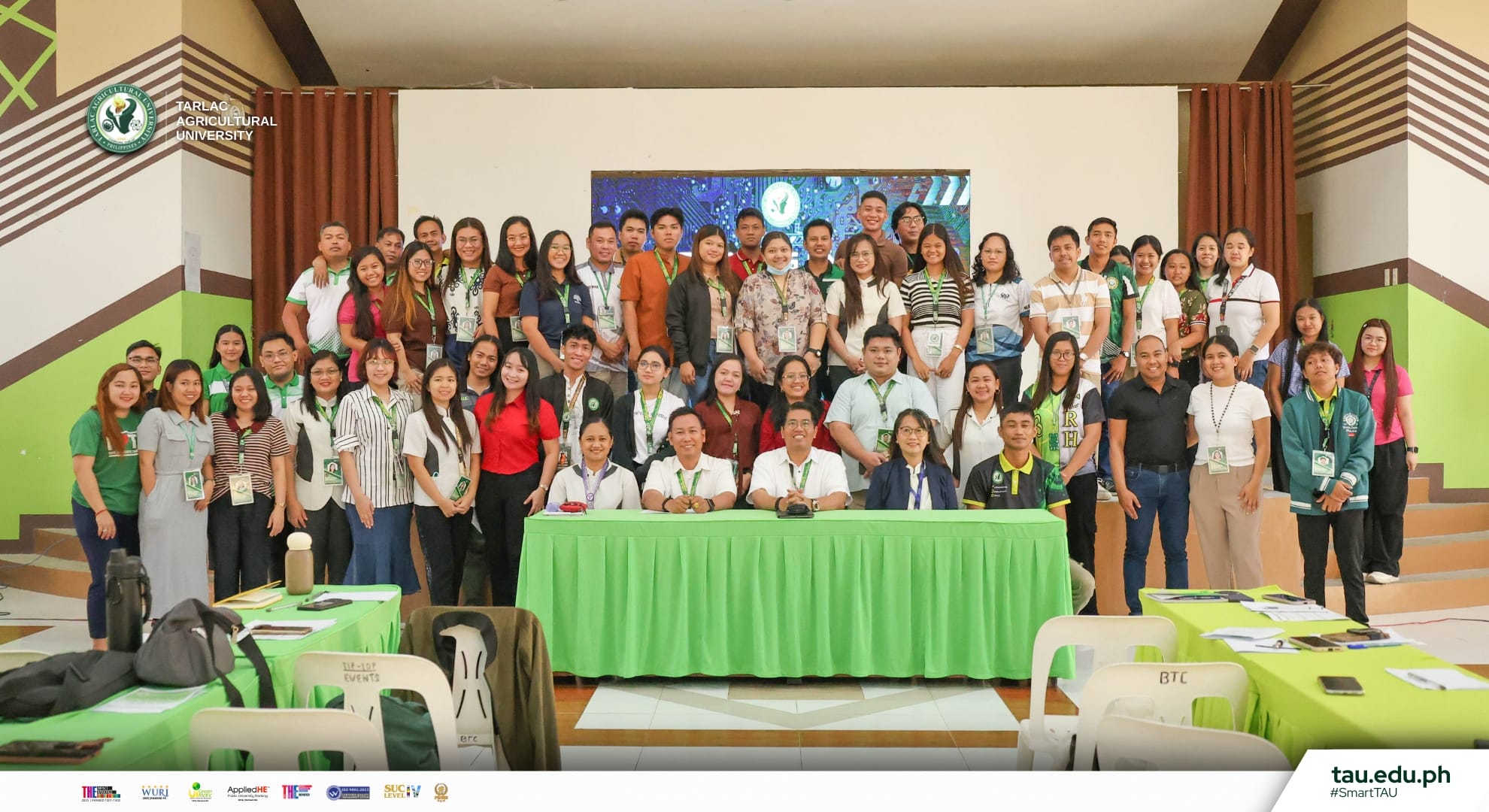
Pursuant to the Professional Regulation Commissionโ€™s (PRC) guidelines on Continuing Professional Development (CPD), the College of Arts and Sciences (CAS) of Tarlac Agricultural University (TAU) is formally awarded the authority to implement CPD program offerings.

The CPD programs, designed exclusively for professional teachers, aim to promote continuous learning and professional growth in compliance with PRC standards. These offerings further reinforce the Universityโ€™s commitment to advancing the quality of education and lifelong learning among licensed teaching professionals.

During an interview with Dr. Benny S. Soliman, the Director for Students Placement Office, preparations for the CPD accreditation were conducted from September to October 2025, under the leadership of the CAS Dean, Dr. Sherwin S. Alar, with the College undertaking comprehensive documentation, curriculum alignment, and strict compliance with PRC requirements. Following a rigorous evaluation process, CAS is officially granted permission to offer CPD programs on November 24, 2025, affirming its institutional readiness to deliver accredited professional development courses.

During the application process, the College faced challenges, particularly during the evaluation and waiting period, as the PRC requiredย  several revisions and resubmissions. Despite these challenges, the CAS completed the process through the collective efforts of faculty members, staff, and concerned University offices.

Featured

๐๐€๐Œ๐Œ๐€๐ƒ๐€๐˜๐€๐– | ๐€๐ ๐ฒ๐š๐ฆ๐š๐ง ๐ค๐š๐ฆ๐ข, ๐’๐ž๐ง. ๐๐ข๐š ๐‚๐š๐ฒ๐ž๐ญ๐š๐ง๐จ!

โ€‹โ€‹๐๐€๐Œ๐Œ๐€๐ƒ๐€๐˜๐€๐– | ๐€๐ ๐ฒ๐š๐ฆ๐š๐ง ๐ค๐š๐ฆ๐ข, ๐’๐ž๐ง. ๐๐ข๐š ๐‚๐š๐ฒ๐ž๐ญ๐š๐ง๐จ!

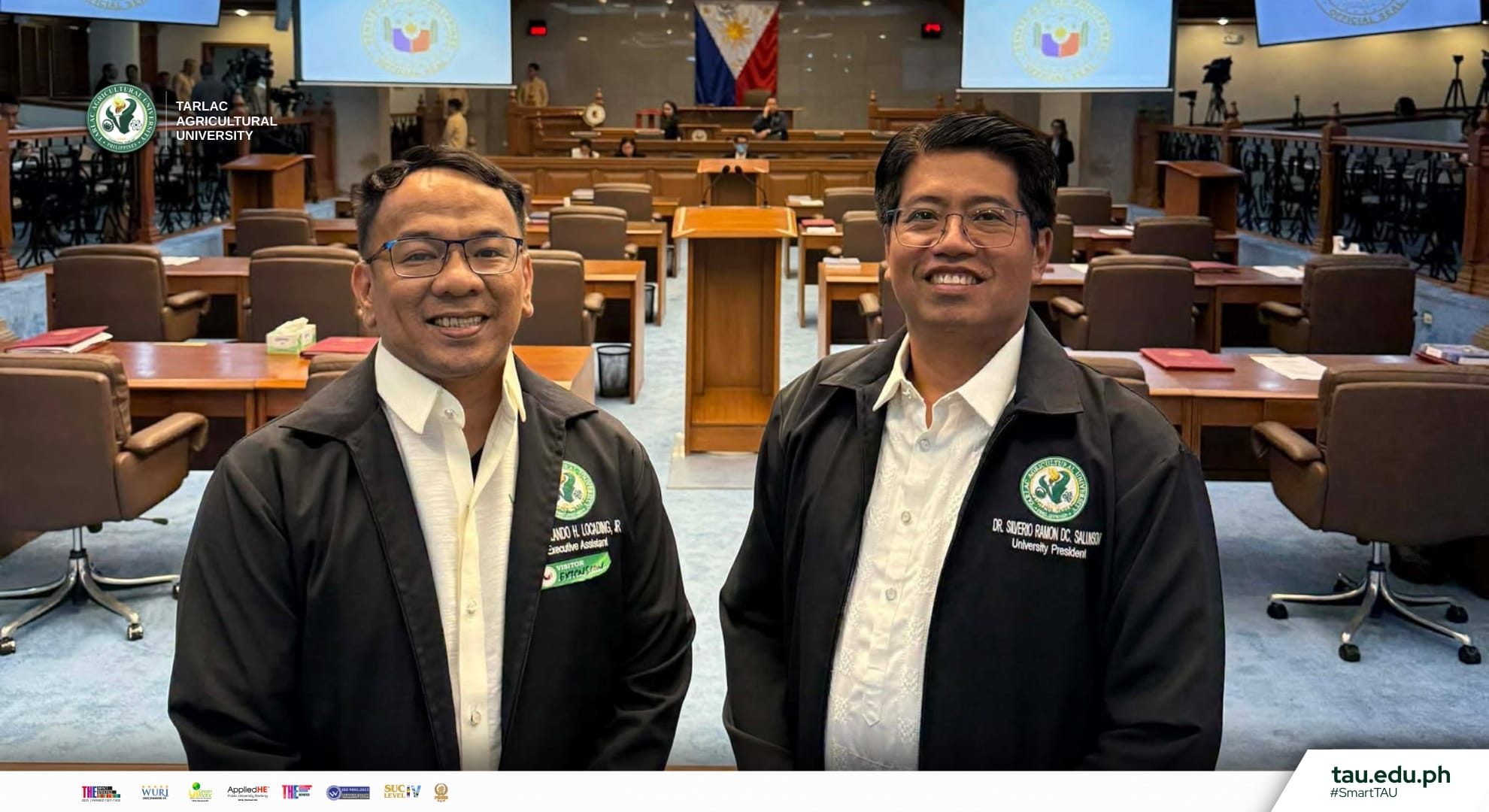
The Tarlac Agricultural University (TAU), through the leadership of Dr. Silverio Ramon DC. Salunson, extends its heartfelt gratitude to Senator Pia S. Cayetano for supporting TAUโ€™s Futures Thinking Research Program.

The funding allocation from her office, as Chair of the Senate Committee on Sustainable Development Goals (SDGs), Innovation, and Futures Thinking, empowers TAU to expand its vision beyond the immediate horizon. This investment further allows TAU to foster an academic environment rooted in strategic foresight, resilience, and ethical innovation, equipping its students with the knowledge and skills to design and lead a sustainable future for the country and the community of nations.

We are deeply grateful, Senator Pia, for being an empowering partner in inspiring transformative change and nurturing the next generation of leaders.

Featured

๐‚๐”๐‹๐“๐ˆ๐•๐€๐‘ | ๐“๐€๐”โ€“๐๐€๐†๐€๐’๐€ ๐€๐ ๐ซ๐จ๐ฆ๐ž๐ญ๐ž๐จ๐ซ๐จ๐ฅ๐จ๐ ๐ข๐œ๐š๐ฅ ๐š๐ง๐ ๐”๐ฉ๐ฉ๐ž๐ซ ๐€๐ข๐ซ ๐’๐ญ๐š๐ญ๐ข๐จ๐ง: ๐€ ๐‹๐ข๐ฏ๐ข๐ง๐  ๐‹๐š๐›๐จ๐ซ๐š๐ญ๐จ๐ซ๐ฒ ๐Ÿ๐จ๐ซ ๐–๐ž๐š๐ญ๐ก๐ž๐ซ, ๐‚๐ฅ๐ข๐ฆ๐š๐ญ๐ž, ๐š๐ง๐ ๐€๐ ๐ซ๐ข๐œ๐ฎ๐ฅ๐ญ๐ฎ๐ซ๐ž (๐™๐™ž๐™ง๐™จ๐™ฉ ๐™ค๐™› ๐™๐™๐™ง๐™š๐™š ๐™‹

๐‚๐”๐‹๐“๐ˆ๐•๐€๐‘ | ๐“๐€๐”โ€“๐๐€๐†๐€๐’๐€ ๐€๐ ๐ซ๐จ๐ฆ๐ž๐ญ๐ž๐จ๐ซ๐จ๐ฅ๐จ๐ ๐ข๐œ๐š๐ฅ ๐š๐ง๐ ๐”๐ฉ๐ฉ๐ž๐ซ ๐€๐ข๐ซ ๐’๐ญ๐š๐ญ๐ข๐จ๐ง: ๐€ ๐‹๐ข๐ฏ๐ข๐ง๐  ๐‹๐š๐›๐จ๐ซ๐š๐ญ๐จ๐ซ๐ฒ ๐Ÿ๐จ๐ซ ๐–๐ž๐š๐ญ๐ก๐ž๐ซ, ๐‚๐ฅ๐ข๐ฆ๐š๐ญ๐ž, ๐š๐ง๐ ๐€๐ ๐ซ๐ข๐œ๐ฎ๐ฅ๐ญ๐ฎ๐ซ๐žย  (๐™๐™ž๐™ง๐™จ๐™ฉ ๐™ค๐™› ๐™๐™๐™ง๐™š๐™š ๐™‹๐™–๐™ง๐™ฉ๐™จ)

Tucked away in the middle of Tarlac Agricultural Universityโ€™s (TAU) ricefields, a weathered, small, and unassuming building often catches the eye of passing employees and students.

To many TAUians, the structure might be mistaken for a simple rice granary, seamlessly nestled within the agricultural landscape of the campus. Few realize that within its walls, and through the instruments dotting the surrounding grounds, lies a critical nexus of science. This is no storage room; it is the ๐“๐€๐”โ€“๐๐€๐†๐€๐’๐€ (Philippine Atmospheric, Geophysical and Astronomical Services Administration) ๐€๐ ๐ซ๐จ๐ฆ๐ž๐ญ๐ž๐จ๐ซ๐จ๐ฅ๐จ๐ ๐ข๐œ๐š๐ฅ ๐š๐ง๐ ๐”๐ฉ๐ฉ๐ž๐ซ ๐€๐ข๐ซ ๐’๐ญ๐š๐ญ๐ข๐จ๐ง, a silent sentinel that has been unceasingly listening to the skyโ€™s whispers for over three decades to safeguard the very foundation of our food security.

Operational since 1991, the station stands as a physical legacy of scholarly foresight, born of the dissertation of Dr. Guillermo S. Rillon, former Dean of the College of Engineering and Technology (CET). Its presence on campus serves as a living laboratory where data is transformed into decisions.