𝐂𝐇𝐑𝐎𝐍𝐈𝐂𝐋𝐄𝐒 | 𝐓𝐀𝐔 𝐜𝐨𝐦𝐦𝐢𝐭𝐬 𝐭𝐨 𝐚𝐫𝐜𝐡𝐢𝐯𝐚𝐥 𝐜𝐨𝐦𝐩𝐥𝐢𝐚𝐧𝐜𝐞 𝐚𝐧𝐝 𝐭𝐫𝐚𝐧𝐬𝐩𝐚𝐫𝐞𝐧𝐜𝐲 𝐭𝐡𝐫𝐨𝐮𝐠𝐡 𝐫𝐞𝐜𝐨𝐫𝐝𝐬 𝐝𝐢𝐬𝐩𝐨𝐬𝐚𝐥 𝐚𝐜𝐭𝐢𝐯𝐢𝐭𝐲
Demonstrating its steadfast commitment to efficient governance and responsible records management, Tarlac Agricultural University (TAU), through its Records Management Unit (RMU) headed by RMU Chief Ms. Zenaida C. Sahagun successfully conducted the Disposal of Valueless Records on 14 May, following the approval of the National Archives of the Philippines (NAP), in coordination with representatives from the Commission on Audit (COA) and concerned University offices.
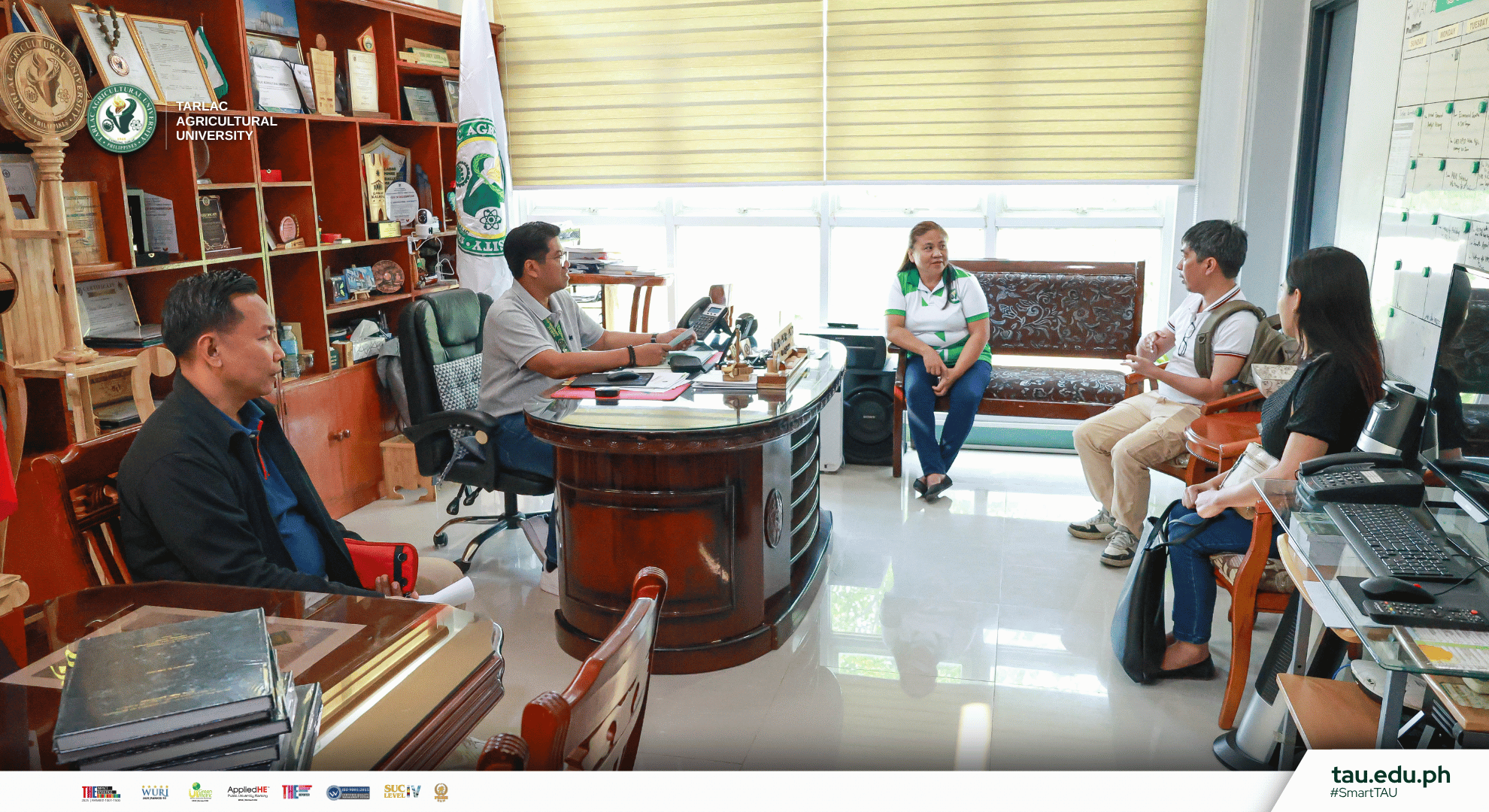
The disposal activity was attended by NAP officials led by Mr. Mark T. Fadriquela, who ensured compliance with established archival standards and procedures. Prior to the formal proceedings, the NAP representatives likewise paid a courtesy visit to University President Dr. Silverio Ramon DC. Salunson and Vice President for Administration and Finance (VPFA) Dr. Arnold R. Lorenzo, reinforcing coordination among the National Archives, RMU, and COA in upholding sound archival governance and institutional accountability.
Dr. Salunson emphasized the importance of the initiative, stating, “Proper records management is vital in ensuring transparency, efficiency, and accountability in public service.”
Meanwhile, RMU Chief Ms. Sahagun underscored the technical aspect of the activity, noting, “The systematic disposal of valueless records allows the University to maintain an organized records system while safeguarding documents of continuing administrative and historical value.”
Guided by the approved Records Disposition Schedule (RDS) and the policies of the NAP, the disposal process involved the systematic evaluation of government records to determine their continuing administrative, legal, fiscal, or archival value. Records identified as valueless were subjected to proper verification and documentation before final disposal, ensuring strict adherence to government regulations and audit requirements.
Following established procedures, the disposed records were securely processed through environmentally responsible and controlled methods to prevent unauthorized access, misuse, or reconstruction. The entire activity was duly documented and witnessed by authorized representatives from NAP and COA to ensure transparency, accountability, and compliance with government standards on records disposition.
The initiative underscores the University’s continuing commitment to maintaining an efficient and organized records management system while preserving records of enduring historical and institutional significance. It also reaffirms TAU’s adherence to national archival policies and its dedication to strengthening good governance through proper stewardship of public records.